

WaterWise Plumbing Urges Metro Atlanta Winter Pipe Prep as Strong El Niño Builds
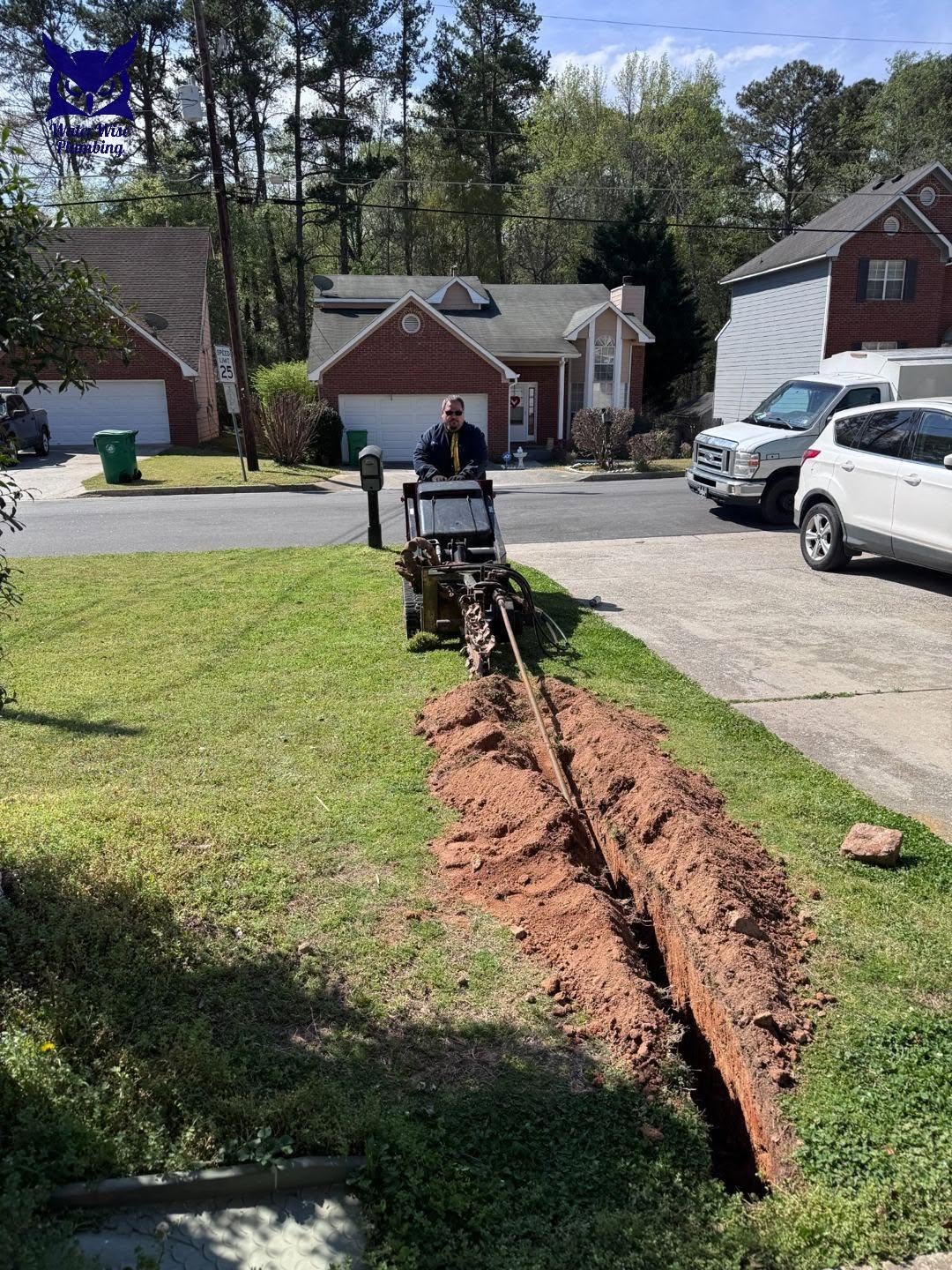
A WaterWise Plumbing technician trenches for a new residential water service line.
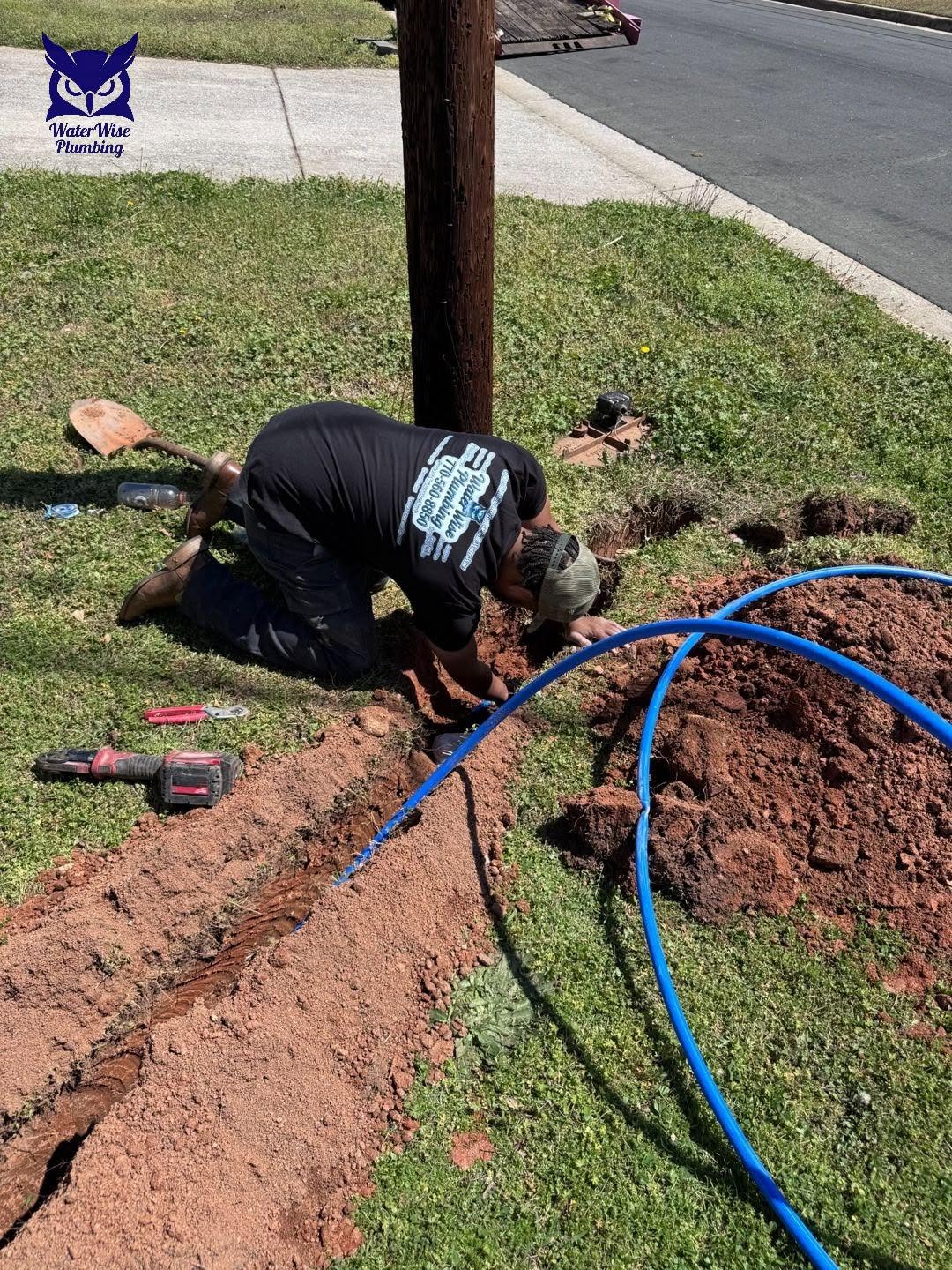
WaterWise Plumbing installs a new PEX water supply line from the meter to the home.

WaterWise Plumbing logo
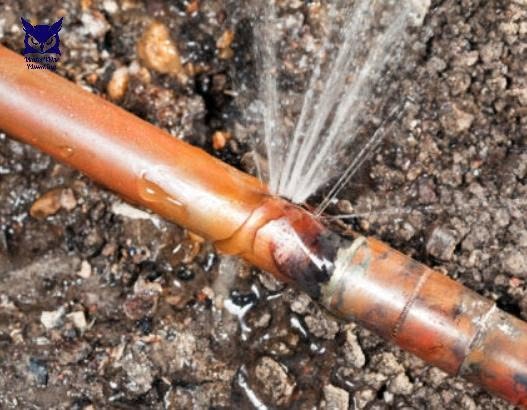
Freezing temperatures can split water supply pipes, often revealing damage as ice thaws.
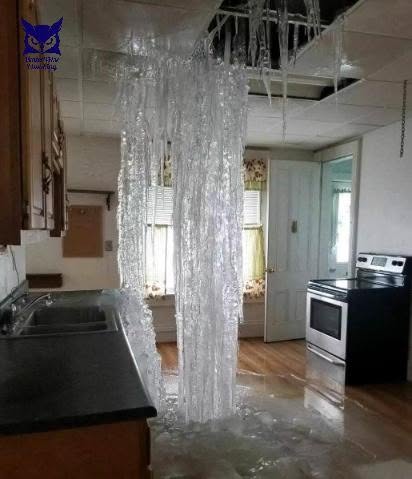
A burst pipe during a hard freeze can send water through ceilings and floors, where it can freeze in place.
Family-owned plumber outlines frozen pipe prevention, repiping and water heater checks as NOAA forecasts a wet, unpredictable Georgia winter.
The timing reflects the most recent federal outlook. On October 8, 2026, NOAA’s Climate Prediction Center kept its El Niño Advisory in place and said a strong-to-very-strong El Niño is likely to continue through January–March 2027, with odds above 83 percent. The agency also put the chance of a historic event, one that would exceed the strength of every El Niño dating back to 1950, at 83 percent for the October–December period.
For homeowners in Marietta, Douglasville, Carrollton, Newnan, Villa Rica and surrounding communities, WaterWise Plumbing says the practical concern is not a single forecast number. It is the combination of a wetter, stormier pattern and the possibility of sharp cold snaps arriving on short notice.
What a Strong El Niño Means for Georgia This Winter
El Niño is a periodic warming of sea surface temperatures in the central and eastern equatorial Pacific Ocean. When it is strong, it can reshape weather patterns across North America, largely by strengthening the subtropical jet stream that runs across the southern United States.
NOAA’s 2026–2027 U.S. Winter Outlook, released October 15, favors wetter-than-average conditions across the South and along the East Coast. National Weather Service Director Ken Graham said that, based on decades of observations, a very strong El Niño typically shifts the jet stream south and east, which raises the odds of stormier weather across the South. The same outlook shows parts of the Southeast, including Georgia, leaning toward near-normal seasonal temperatures rather than a clearly warm or cold winter.
That temperature uncertainty is what makes this season difficult to plan around. Atlanta-area meteorologists have described north Georgia as a “battleground” region during strong El Niño winters, where frequent Gulf moisture can meet periodic outbreaks of cold continental air. When those two ingredients overlap, rain can turn to ice or snow, and a mild week can give way to a hard freeze within a day or two. The Climate Prediction Center has also cautioned that even during an event this strong, typical El Niño impacts are more likely but not guaranteed.
Recent history shows how quickly that can happen in metro Atlanta. In late January 2026, back-to-back winter storms brought an ice storm, a statewide state of emergency, widespread power outages, snow, and an extreme cold warning to the region within roughly one week. In December 2022, an arctic blast caused burst pipes across Georgia; the Georgia Chamber of Commerce later cited roughly $100 million in insured losses from burst pipes at businesses alone, and metro Atlanta plumbers reported being overwhelmed by service calls in the days after Christmas.
Why Georgia Homes Are Vulnerable to Freezing Pipes
Homes in the Southeast are generally built for mild winters. Water supply lines often run through vented crawl spaces, unheated garages, attics, and exterior walls, where they have little protection when temperatures fall well below freezing for an extended period.
When water freezes, it expands. That expansion raises pressure inside the pipe between the ice blockage and the closed faucet, which is why a pipe often splits at a point away from the ice itself. In many cases, homeowners do not discover the damage until the weather warms and the ice thaws, releasing water into ceilings, walls, floors, or crawl spaces. A single split supply line can release a large volume of water before the main valve is closed.
WaterWise Plumbing recommends that homeowners take the following steps before the first hard freeze:
Locate the main water shut-off valve and confirm that it opens and closes. Every adult in the household should know where it is.
Disconnect garden hoses from outdoor spigots and protect exterior hose bibs.
Insulate exposed pipes in crawl spaces, garages, attics, and along exterior walls.
Seal gaps and openings where cold air can reach plumbing, including around crawl space vents and wall penetrations.
During freezing nights, let faucets on exterior walls drip slowly and open sink cabinet doors so warmer indoor air can reach the pipes.
Keep the thermostat at a consistent temperature day and night. The American Red Cross recommends keeping heat set no lower than 55 degrees Fahrenheit when leaving home during cold weather.
For extended travel during a forecast freeze, consider shutting off the main water supply and draining the lines.
After a freeze, watch for warning signs such as reduced flow, frost on visible pipes, unusual sounds, damp drywall, or a water meter that moves when no fixtures are in use. These can indicate a frozen or damaged line.
What to Do If a Pipe Freezes or Bursts
If a pipe bursts, the first step is to shut off the main water valve to stop the flow. If water is near electrical outlets, panels, or appliances, homeowners should avoid contact and turn off power to the affected area only if it is safe to do so. Opening cold-water faucets after the main is closed helps relieve remaining pressure and drain the line.
If a pipe is frozen but has not yet split, homeowners can keep the faucet open and apply gentle heat to the frozen section with a hair dryer, a space heater kept at a safe distance, or warm towels. Open flames, propane torches, and other high-heat sources should never be used. Because damage frequently appears as ice melts, any line that was frozen should be watched closely as temperatures rise. Prompt cleanup and drying also matter, since standing water inside walls and floors can lead to mold and structural damage.
When Repiping Becomes the Better Winter Strategy
Seasonal precautions protect sound plumbing. They do less for pipes that are already near the end of their service life. WaterWise Plumbing provides whole-home repiping for houses where recurring leaks, corrosion, or failing materials make repeated spot repairs an unreliable long-term plan.
Common signs that a home may need repiping include frequent pipe leaks, rust-colored water, low or inconsistent water pressure, older galvanized steel piping, and a history of recurring repairs. Galvanized steel pipe, common in older homes, corrodes from the inside over time. That buildup narrows the pipe, reduces water pressure, and weakens the pipe wall. Some homes built from the late 1970s through the mid-1990s were plumbed with polybutylene, a gray plastic supply pipe that has a long record of failures.
Cold weather adds stress to compromised systems. A pipe weakened by corrosion or a deteriorating fitting may tolerate normal operating pressure for years, then fail when freezing expansion or a sudden pressure change pushes it past its limit.
Modern repiping typically uses PEX, a flexible cross-linked polyethylene tubing, or copper, depending on the home and the application. PEX can expand slightly and tends to tolerate freezing better than rigid piping materials, although no residential pipe is freeze-proof. Repiping also gives a plumber the opportunity to reroute vulnerable runs away from exterior walls and unconditioned spaces where practical, which can reduce future freeze exposure.
A whole-home repipe is a significant project. WaterWise Plumbing evaluates the existing plumbing system first and advises homeowners on whether targeted repairs or full repiping is the more appropriate choice for the home’s condition.
Underground Water Service Lines
The water service line, the buried pipe that runs from the water meter to the house, is easy to overlook until it fails. Older service lines can corrode, crack, or separate at joints, and soil movement during wet weather can add stress to lines that are already weakened. A wet El Niño pattern, followed by freeze-thaw cycles, can expose those weaknesses.
Signs of a service line problem include unexplained increases in water bills, persistent soggy areas in the yard, a drop in water pressure throughout the home, and the sound of running water when fixtures are off. WaterWise Plumbing repairs and replaces damaged or aging water lines and sewer lines for residential customers, including trenching and installing new supply lines from the meter to the home.
Water Heaters Work Harder in Winter
Water heaters are often the second plumbing system to fail during a cold stretch. In winter, the water entering the home from the municipal supply is colder, so a water heater must run longer to bring that water up to its set temperature. That added workload can expose weak heating elements, failing thermostats, worn burner components, and tanks with heavy sediment buildup.
WaterWise Plumbing provides water heater repair, replacement, and installation for traditional tank, tankless, and hybrid heat pump models. Warning signs that a water heater needs attention include no hot water, fluctuating temperatures, rumbling or popping noises from the tank, rust-colored hot water, water pooling around the base of the unit, and a hot water supply that runs out faster than it used to.
Each system type responds differently to winter conditions:
Tank water heaters store a heated volume of water, typically 30 to 50 gallons in many homes. Sediment that settles at the bottom of the tank can reduce efficiency and cause noise. Periodic flushing and inspection can help extend service life, while an older tank showing corrosion or leakage is usually a candidate for replacement rather than repair.
Tankless water heaters heat water on demand as it flows through the unit. Units installed in garages or on exterior walls often depend on electrically powered freeze-protection components. During an ice storm that knocks out power, those components may not operate, and manufacturers’ instructions commonly describe steps for draining the unit when freezing temperatures and an extended outage are expected.
Hybrid heat pump water heaters draw heat from the surrounding air. Their efficiency depends on the temperature and airflow of the space where they are installed, which matters when that space is an unheated garage during a cold snap.
Homeowners who have been planning a water heater replacement may want to complete it before winter weather arrives rather than during a cold stretch, when demand for plumbing service typically rises and a failed unit is most disruptive.
Company Perspective
“A strong El Niño doesn’t guarantee a hard freeze, but it does make this winter harder to predict,” said [Owner Name], owner of WaterWise Plumbing. “The time to check aging pipes and water heaters is before the first cold snap, not after.”
WaterWise Plumbing’s guidance centers on evaluation before emergencies. The company’s plumbers can inspect visible supply piping, identify vulnerable runs in crawl spaces and garages, assess the condition and age of a water heater, and check for signs of service line problems. Homeowners then receive recommendations based on what the inspection finds, whether that means insulating a few exposed pipes, repairing a component, replacing a water heater, or planning a repipe.
Serving Metro Atlanta and Northwest Georgia
WaterWise Plumbing serves residential customers across metro Atlanta and northwest Georgia, with service areas that include Marietta, Kennesaw, Smyrna, Acworth, Woodstock, Canton, Roswell, Austell, Mableton, Douglasville, Hiram, Dallas, Villa Rica, Temple, Carrollton, Bremen, Newnan, Peachtree City, and Cartersville.
The region’s mix of housing stock adds to the importance of winter preparation. Established neighborhoods often include homes with original galvanized or early plastic plumbing, while newer subdivisions can still have supply lines routed through garages, attics, or exterior walls. In either case, a hard freeze arriving after a wet stretch can turn a minor weakness into an emergency.
The company offers 24/7 emergency plumbing service in addition to scheduled appointments. Regular business hours are Monday through Friday from 7:00 a.m. to 6:00 p.m. and Saturday and Sunday from 10:00 a.m. to 4:00 p.m.
About WaterWise Plumbing
WaterWise Plumbing is a family-owned and locally operated residential plumbing company serving homeowners throughout metro Atlanta and northwest Georgia. The company provides drain and sewer services, water heater repair, replacement, and installation for tank, tankless, and hybrid systems, whole-home repiping and plumbing repairs, and water line and sewer line repair and replacement. WaterWise Plumbing focuses on clear, honest recommendations, transparent pricing, and respect for every customer’s home, and it offers 24/7 emergency plumbing service.
Homeowners can reach WaterWise Plumbing at (770) 560-8850 or learn more at https://waterwise-plumbing.com/.
Darren Miller
WaterWise Plumbing
+1 (770) 560-8850
waterwiseplumbing80@gmail.com
Visit us on social media:
Facebook
Legal Disclaimer:
EIN Presswire provides this news content "as is" without warranty of any kind. We do not accept any responsibility or liability for the accuracy, content, images, videos, licenses, completeness, legality, or reliability of the information contained in this article. If you have any complaints or copyright issues related to this article, kindly contact the author above.
